Hearing Aids in Toronto
A Complete Guide to Treatment, Care & Cost
One of the most common complaints among individuals with early hearing loss is:
“I can hear, but I can’t understand in noisy places.”
Hearing aid brands we work with
Currently We’re Offering





Most people can tune out the noise and focus on the person they’re with. But for some, it’s a real struggle—not because they’re not listening, but because their brain has trouble separating the voice they want to hear from all the background sounds.
If you or a loved one are finding it difficult to hear in noise, then you are most likely living with early hearing loss. Missing what others are saying at home and in public is frustrating.
Skipping the conversation—or just nodding your way through it—is not a normal way to go through life.
The good news? With today’s hearing technology and advanced testing, we can give you access to all the conversations you want to hear.


What Are Hearing Aids?
Hearing loss affects millions of Canadians, yet fewer than one in five people who could benefit from hearing aids actually use them.
Are hearing aid brands different?

 Yes. The hearing aid brands differ significantly in technology, sound philosophy, and specialized features. Some brands prioritize recreation of natural soundscape, while others focus on enhancing speech clarity over background noise, while some focus on customizable features.
-
 As a private audiology clinic, Toronto Hearing Services works with a wide range of advanced hearing aid solutions, which allows us to meet your unique hearing needs and lifestyle, be they trouble hearing in noise, ears feeling blocked, or the environment sounds unnatural.
How Different are the Hearing Aids Styles?
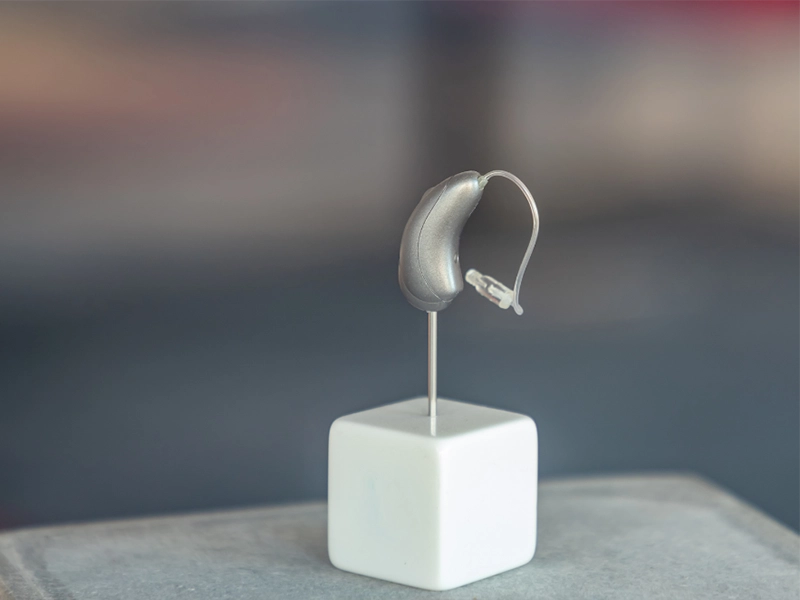
Behind-the-Ear hearing aids (BTE): The most versatile style, with a casing behind the ear connected to a custom-made mold inside the canal. They are durable, easy to handle, and allow for the greatest power which makes it the go-to choice for patients of severe-to-profound hearing loss. Not much day-to-day maintenance is required as it securely integrates multiple small parts.
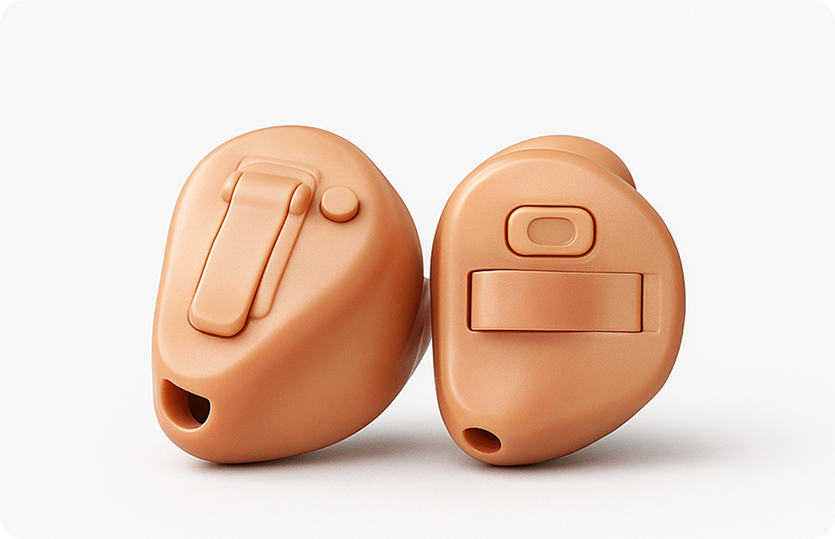
Invisible-in-the-Canal (IIC): As in its name, this style of hearing aid is invisible in the canal. As every ear canal shapes differently, IIC is also a custom made model that sits deep in the canal, offering maximum discretion. Some connectivity features might be sacrificed, though, given the depth it is sitting. Dexterity requirement similar to that of ITC.
CROS/BiCROS hearing aid: for patients with very different hearing losses in both ears. It is a hearing aid on the better hearing side, with an additional microphone on the much worse side to help you hear sounds from the other side — even though it delivers all sounds to your better ear. Just like its name, sound CROSses over.
To find out which style works best for you, our audiologists will discuss the options with you and make recommendations based on your hearing profile.
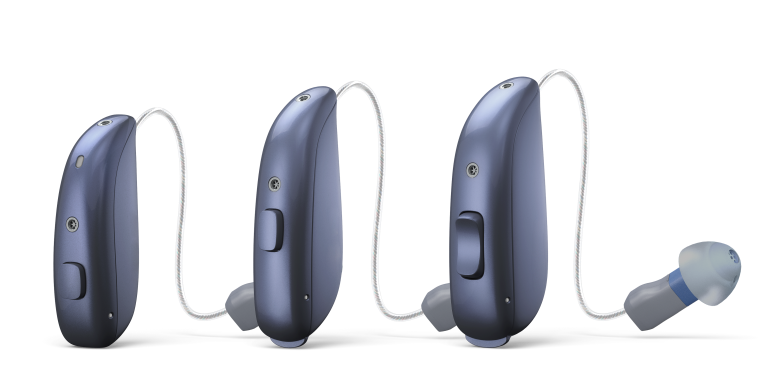
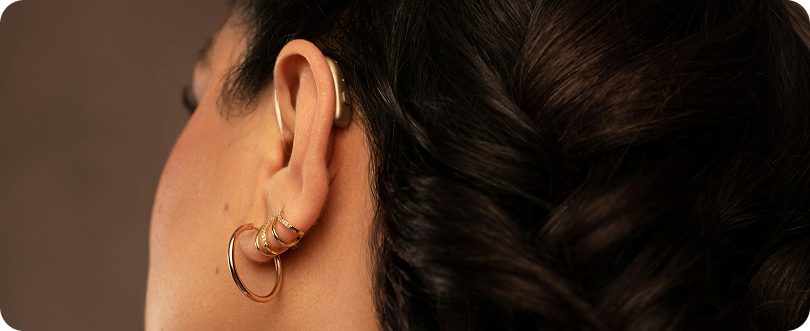
Receiver-in-Canal hearing aids (RIC/RITE): A popular, discreet variation of BTE where the receiver is in the ear canal rather than the case, providing a more natural sound. From our experience, receiver-in-canal hearing aids are the go-to for 70% of our clients. Regular DIY maintenance needed due to potential wax build-up and dome wearing down. Some dexterity is required, but if you can manipulate small objects, RIC aids are not a problem for you.
In-the-Canal (ITC) & Completely-in-Canal (CIC): Smaller than ITE style, ITC is a custom-made fit that sits in the canal, ideal for mild to moderate, or moderate-to-severe loss. Dexterity matters for this style as you will rely on a small secure tail on the hearing aid to take it out from your ear.
Step By Step Procedure
What to Expect on Your First Visit

Get to Know You & Understand Your Symptoms



Discuss Your Treatment Goals & Medical History


Determine Your Stage of Hearing Loss/Tinnitus




Answer All of Your Questions or Concerns


Begin a Custom Treatment Plan


Why Treating Hearing Loss Matters
Dementia risk: Hearing aids are greatly tied with dementia prevention. Untreated hearing loss is the top modifiable risk factor for dementia, according to Lancet’s 2024 report. Plenty research confirms the association, stating any untreated hearing loss increases the likelihood of having dementia by 61%. Learn more about this association.
Social isolation: Hearing aids empower people with hearing loss. A 2025 meta-analysis of 65 studies found that hearing aids:
- dramatically improve social engagement
- decrease perceived social handicap
- reducing loneliness,
- more confidence in group conversations and noisy settings.
Read more in our blog on how hearing aids help tackle social isolation.
Physical and mental health: hearing aid users show greater desire to be physically active, improved mood, and a better sense of self, which in turn improves cognitive functions and whole-body health as movement enhances blood flow.

CUSTOM TREATMENT PLAN
Begin Your Treatment Today
Request Your Consultation
What Happens After You Get Hearing Aids?

Key components of the After Care Bundle include:
- Auditory Training Progress Checks to ensure your auditory system is developing maximum benefit.
- Proactive Hearing Monitoring catches changes early to ensure intervention always meets the auditory stimulation you need.
- Annual Cognitive Performance Tracking helps detect early concerns warranting neurological follow-up.
- Unlimited Adjustments & Maintenance — Fine-tuning for new environments, reprogramming as your hearing changes, deep cleaning, moisture removal, and replacement parts at no additional charge.
- 4-Year Treatment Review — Near the 4-year mark, your clinician reviews whether your technology still matches your hearing profile and lifestyle needs.
Explore what you can get with your hearing aid here.
How Do I Find The Right Hearing Clinic?
Ready to Take the First Step?
Toronto Hearing Services Locations
The Audiology Centre (North York)
Business Hours:
Mon–Thurs: 8:00 am – 4:30 pm
Friday: 8:00 am – 1:00 pm
Phone: (416) 498–4151
FAX:
416–498–1589
Markham Stouffville Hearing Services
Business Hours:
Mon–Thurs: 8:00 am – 5:00 pm
Friday: 8:00 am – 1:30 pm
Phone: (905) 471-4327
FAX:
905-471-4338
West End Hearing Services
Business Hours:
Tue–Thurs: 8:00 am – 4:30 pm
Mon & Fri: Closed
Phone: (416) 233-8581
FAX:
416-233-4390