
Brain Health & Hearing
 #1 — Modifiable risk factor for dementia (Lancet, 2024)
- 7% — Of dementia risk could be prevented by addressing hearing loss (Lancet, 2024)
- 48% — Enhanced cognitive functions with hearing aids (Lin et al., 2023)
- 62% — Slower cognitive decline in high-risk adults regularly using hearing aids (Pike et al., 2025)
Why Hearing Loss Threatens Your Brain

Three Ways Hearing Loss Harms the Brain

Brain Atrophy: "Use It or Lose It"
This shrinkage is not inevitable: restoring sound input through hearing aids has been shown to slow and, in some cases, partially reverse this atrophy.

Cognitive Overload: The "Exhausted Brain" Effect
Over years, this chronic cognitive overload builds up extra brain waste. Combined with other factors that slow the removal of waste, the overload accelerates the depletion of cognitive reserve, leaving the brain more vulnerable to dementia.
Hearing aids directly reduce this load: when amplified sound reaches the brain clearly, listening becomes effortless again. Be it freeing up for higher-level thinking, or reducing waste produced, restoring your hearing helps prevent cognitive decline.

Social Withdrawal: The Loneliness Loop
Clinical research such as ACHIEVE has confirmed that hearing aids help break this cycle: participants who received hearing aids showed 48% slower decline in cognition, and substantial improvements in communication ability, enabling them to stay socially and physically engaged.
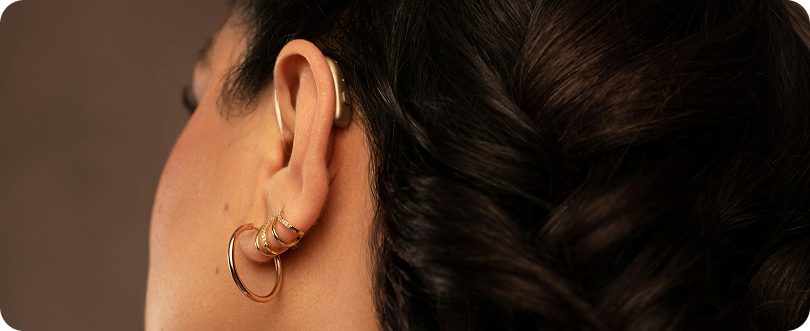
Mechanism B — Reducing Cognitive Load → Freeing Up Brain Resources

How Hearing Aids Protect Your Brain
Mechanism A — Restoring Auditory Stimulation → Slowing Brain Atrophy
Of course, beyond the support from the outside, there is auditory training you need to do in order to train up your brain to process sounds again.
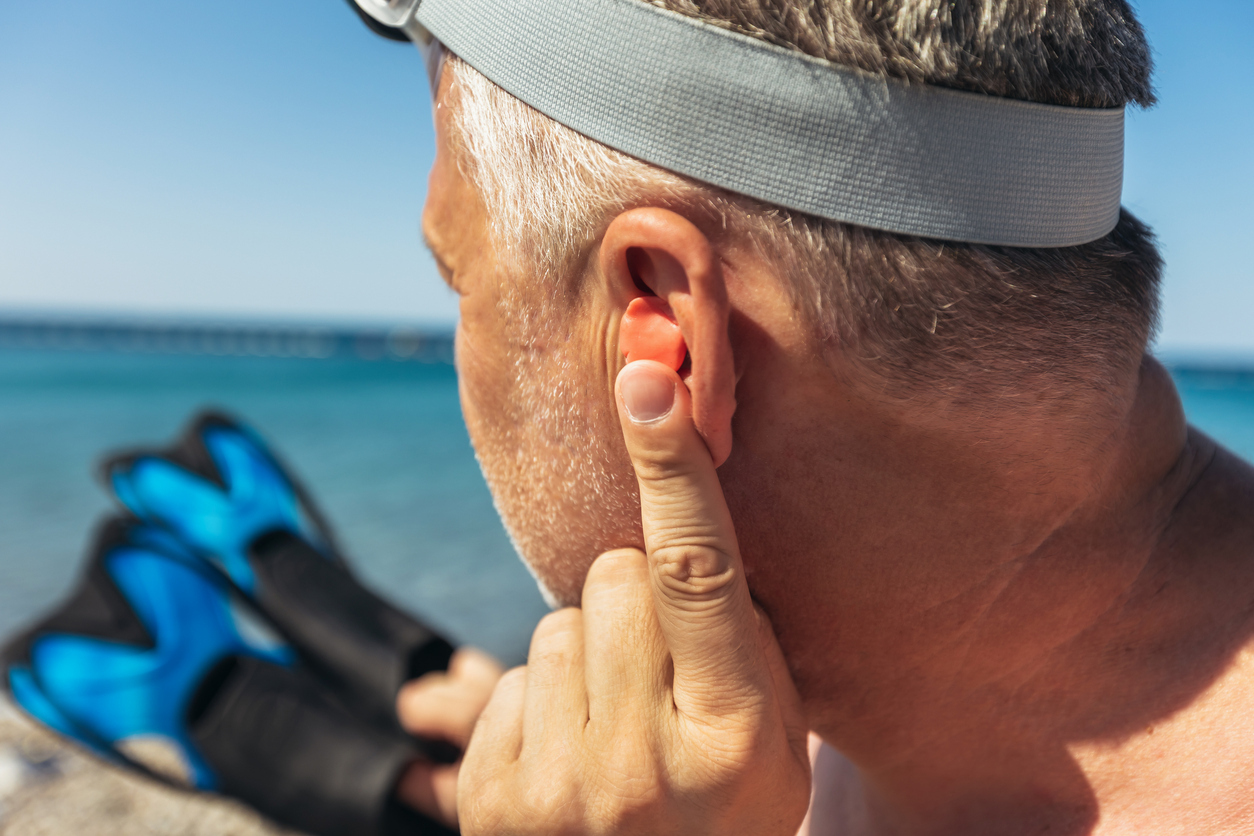
Mechanism C — Re-Enabling Social Engagement → Breaking the Isolation Loop
You can start supporting your brain health by taking annual hearing tests, or check out our tips on strategies to communicate better.
“The hearing intervention may slow down decline in thinking and memory by making listening easier for the brain, or by helping people remain more socially and physically active.”
— ACHIEVE Trial Researchers, Johns Hopkins University / Alzheimer’s Association International Conference, 2023
The Landmark Study That Changed Everything
Key Stats:
- ~1,000 adults aged 70–84 enrolled in the randomized controlled trial (top level of scientific evidence)
- 3 years of follow-up
- 48% slower cognitive decline in older adults with more chronic illnesses
- 62% slower cognitive decline in the high-risk quartile


— Dr. Frank Lin, MD, PhD — Johns Hopkins University, Co-Principal Investigator, ACHIEVE Trial
Lancet has also been researching factors behind dementia, and hearing loss remains the top modifiable risk, which means so long as you know how to treat your hearing loss, you lower your risk of getting dementia. Here’s how the relationship between hearing loss and dementia established over the years.
Hearing Loss Is the Biggest Lever You Can Pull
Risk Factors
Source: Population-attributable fractions, Lancet Commission on Dementia Prevention, Intervention, and Care (2024)
How Well Are You Caring for Your Brain?
Take your Brain Care Score quiz here.
The Brain Care Score is a self-screening tool, not a medical diagnosis. Always discuss your results with a qualified healthcare professional.
Hearing Health Is Brain Health
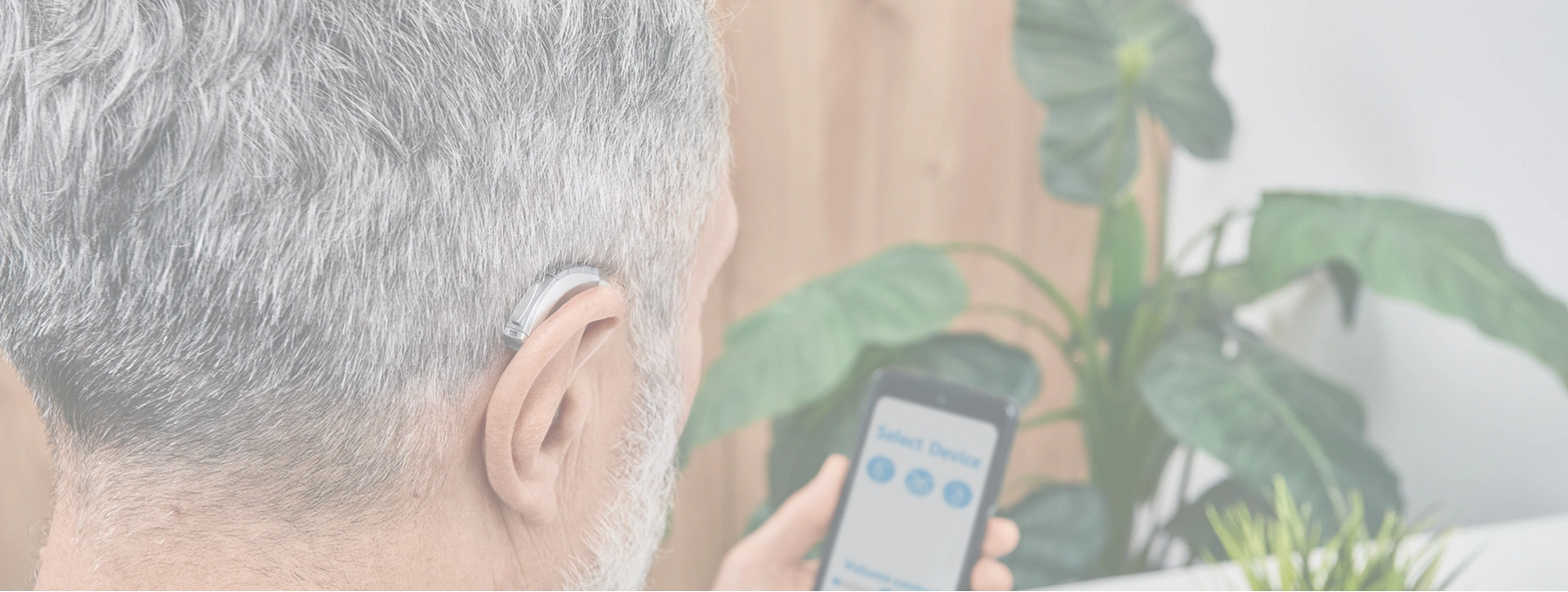

What a Hearing Assessment Includes:
- Pure-tone audiometry (full hearing threshold test)
- Speech recognition in quiet and noise
- Middle ear and eardrum evaluation
- Discussion of cognitive risk and lifestyle factors
- Personalized treatment recommendations
- Hearing aid fitting consultation if indicated
Frequently Asked Questions
Can hearing loss really cause dementia?
The relationship works through three pathways: reduced auditory stimulation leads to brain atrophy; chronic cognitive overload from straining to hear depletes cognitive reserve; and communication difficulty leads to social isolation, which is itself a major dementia risk factor.
How much can hearing aids actually reduce my risk of dementia?
At what age should I get my hearing tested?
I have mild hearing loss. Do I still need hearing aids?
Mild hearing loss is often dismissed as “not bad enough to treat,” but from a brain health perspective, even modest hearing difficulties place measurable extra burden on the brain.
How do hearing aids protect the brain — what's the actual mechanism?
I already have some memory problems. Is it too late to benefit from hearing aids?
Does the type or brand of hearing aid matter for brain protection?
Are hearing assessments covered by insurance or provincial health plans in Canada?
Contact us directly and we’ll help you navigate what coverage may be available before your appointment.
How is a hearing assessment done — is it uncomfortable or time-consuming?
No needles, no discomfort, no preparation required. At the end, your audiologist will review your results in plain language and outline any treatment options appropriate for you.
Step By Step Procedure
What to Expect on Your First Visit

Get to Know You & Understand Your Symptoms



Discuss Your Treatment Goals & Medical History


Determine Your Stage of Hearing Loss/Tinnitus




Answer All of Your Questions or Concerns


Begin a Custom Treatment Plan

CUSTOM TREATMENT PLAN
Begin Your Treatment Today
Request Your Consultation
Toronto Hearing Services Locations
The Audiology Centre (North York)
Business Hours:
Mon–Thurs: 8:00 am – 4:30 pm
Friday: 8:00 am – 1:00 pm
Phone: (416) 498–4151
FAX:
416–498–1589
Markham Stouffville Hearing Services
Business Hours:
Mon–Thurs: 8:00 am – 5:00 pm
Friday: 8:00 am – 1:30 pm
Phone: (905) 471-4327
FAX:
905-471-4338
West End Hearing Services
Business Hours:
Tue–Thurs: 8:00 am – 4:30 pm
Mon & Fri: Closed
Phone: (416) 233-8581
FAX:
416-233-4390