
Advanced Hearing Tests
OUR SERVICES
Currently We’re Offering

Speech-in-Noise
Testing

Cognivue®
Test

Central Auditory Processing
(CAP) test
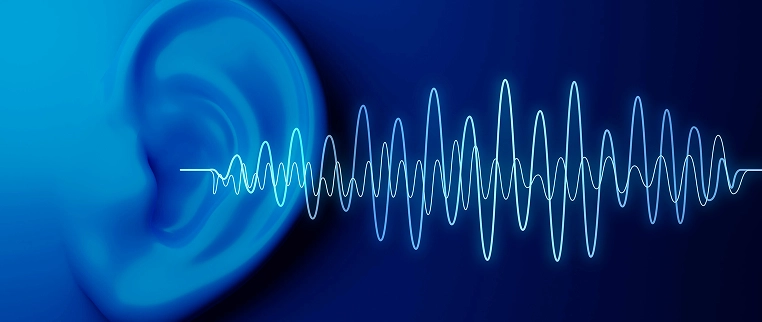
Who needs a CAP test?
- Shows struggle in understanding speech in noisy or multi-talker environments
- Frequently ask for repetitions in conversations
- Show normal audiogram results but display listening or learning challenges
- Have no significant peripheral hearing loss or unmanaged attention disorders prior to assessment
Central Auditory Processing (CAP) Test
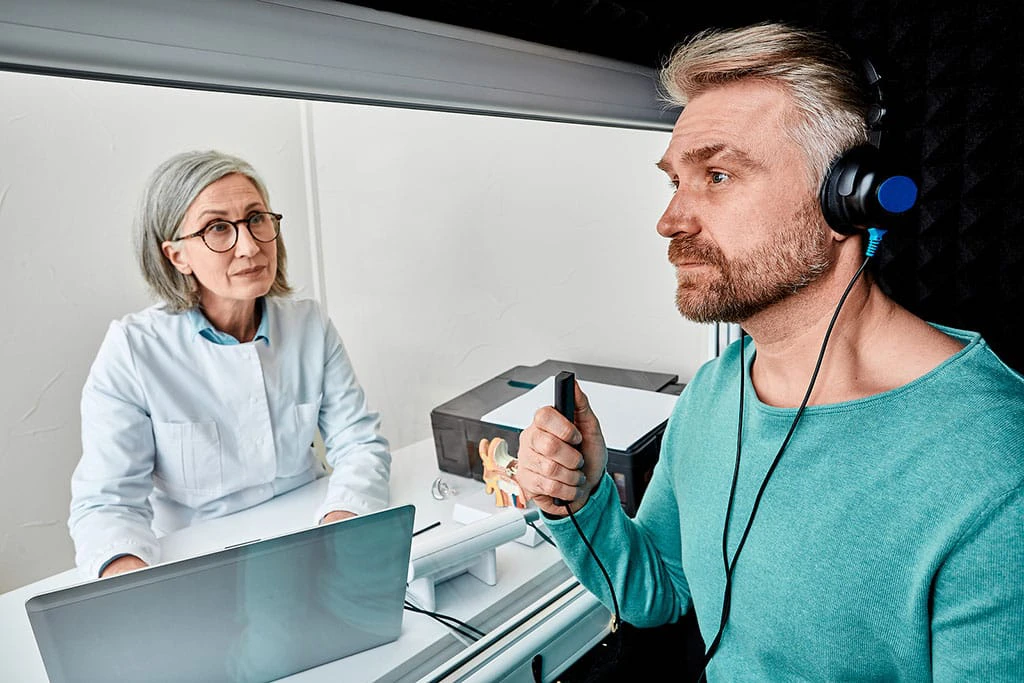
The Central Auditory Processing (CAP) test battery evaluates how effectively the brain interprets and makes sense of sounds, despite normal peripheral hearing. It helps diagnose Central Auditory Processing Disorder (CAPD) by pinpointing which auditory processes—such as sound discrimination, temporal processing, or binaural interaction—are weakened or inefficient.
How is the CAP test done?
 Pre-Assessment Screening Confirm normal pure-tone hearing and rule out auditory neuropathy or other peripheral issues with tests like ABR or acoustic reflexes.
- Case History & Questionnaires Case History & Questionnaires Gather information on listening behaviors, academic performance, and daily communication challenges.
- CAP Test Battery Delivered via headphones in a sound-treated booth, interactive tasks typically last 45–60 minutes, with breaks to prevent fatigue.
- Scoring & Interpretation Results are converted into standard scores or percentiles; patterns of strengths and weaknesses across subtests guide diagnosis and intervention planning.
The CAP test will allow for differential diagnosis that rules out attention, language impairments, or learning disabilities as primary causes.
Follow-Up and Treatment after CAP test
Recommendations may include auditory training exercises, classroom accommodations, or assistive listening devices.
- Auditory Training Programs Computer-based or clinician-led exercises targeting weak processing areas, such as focusing on phonemic awareness and listening strategies.
- Environmental Modifications Use of FM systems or hearing aids or preferential seating to improve signal-to-noise ratio.
-
Individualized Education Plans (IEPs) Accommodations like extended time, written instructions, and quieter testing environments.
Speech-in-Noise Testing

This test is especially useful for:
- People who struggle to hear in noisy places despite having normal or near-normal hearing thresholds
- Evaluating the real-world impact of hearing loss
- Guiding recommendations for hearing aids or assistive listening devices.
The Cognivue® Test
That’s why we also offer the Cognivue® screening, a quick, non-invasive test to assess key areas of brain function, including:
- Memory
- Visual and verbal processing
- Reaction time
- Cognitive flexibility
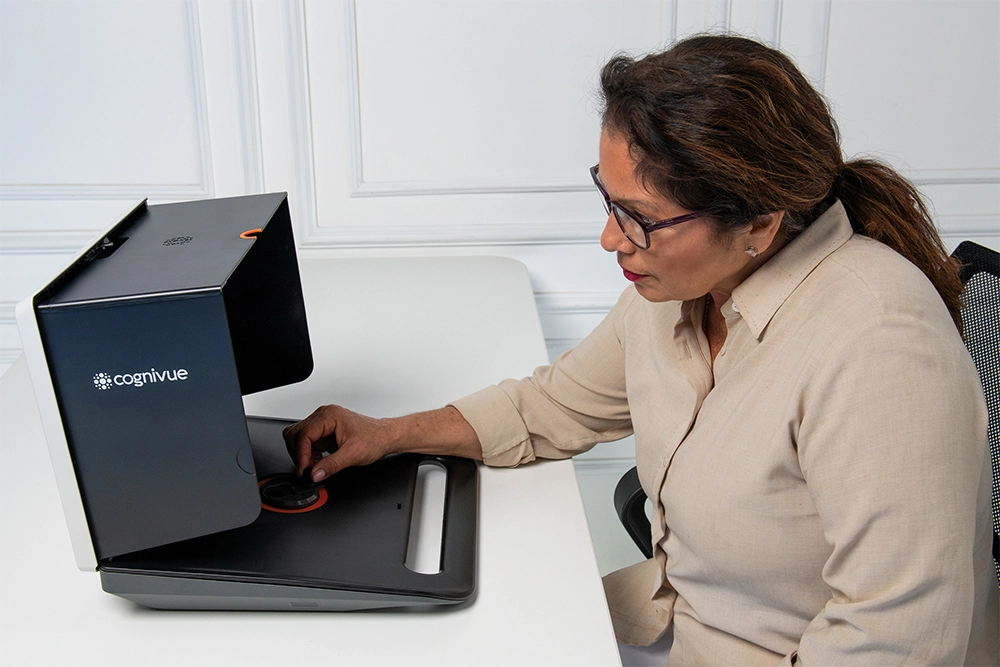
Cognivue helps us understand how your hearing health may be affecting your cognitive performance—and guides us in creating a truly holistic care plan.
- *:Lin, F. R., Metter, E. J., O’Brien, R. J., Resnick, S. M., Zonderman, A. B., & Ferrucci, L. (2011). Hearing loss and incident dementia. Archives of neurology, 68(2), 214–220. https://doi.org/10.1001/archneurol.2010.362
- **: Huang, A. R., Jiang, K., Lin, F. R., Deal, J. A., & Reed, N. S. (2023). Hearing loss and dementia prevalence in older adults in the US. JAMA, 329(2), 171–173. https://doi.org/10.1001/jama.2022.20954
- ***: Lin, F. R., et al. (2023). Hearing intervention versus health education control to reduce cognitive decline in older adults with hearing loss in the USA (ACHIEVE): A multicentre, randomised controlled trial. The Lancet, 402(10404), 786–797. https://doi.org/10.1016/S0140-6736(23)01406-X
Why Early Detection Matters
Step By Step Procedure
What to Expect on Your First Visit

Get to Know You & Understand Your Symptoms



Discuss Your Treatment Goals & Medical History


Determine Your Stage of Hearing Loss/Tinnitus




Answer All of Your Questions or Concerns


Begin a Custom Treatment Plan

CUSTOM TREATMENT PLAN
Begin Your Treatment Today
Request Your Consultation
Toronto Hearing Services Locations
The Audiology Centre (North York)
Business Hours:
Mon–Thurs: 8:00 am – 4:30 pm
Friday: 8:00 am – 1:00 pm
Phone: (416) 498–4151
FAX:
416–498–1589
Markham Stouffville Hearing Services
Business Hours:
Mon–Thurs: 8:00 am – 5:00 pm
Friday: 8:00 am – 1:30 pm
Phone: (905) 471-4327
FAX:
905-471-4338
West End Hearing Services
Business Hours:
Tue–Thurs: 8:00 am – 4:30 pm
Mon & Fri: Closed
Phone: (416) 233-8581
FAX:
416-233-4390